10 ad hooks that work for DTC brands (with examples)
Most ads don't lose because the product is bad. They lose in the first second, because nothing in that second gave the right person a reason to stop. These are the ten hooks I reach for when I design Facebook and Instagram ads for DTC brands, with examples you can adapt today.
What is an ad hook?
An ad hook is the first thing someone sees or hears in your ad: the headline on a static ad, or the opening line and first shot of a video. It has one job, to make the right person stop scrolling long enough to see the rest. The product, the proof and the offer come after. If the hook misses, none of that gets seen.
Below, each hook has an example headline for a static ad and an opening line for a video. The examples use made-up products. Swap in yours.
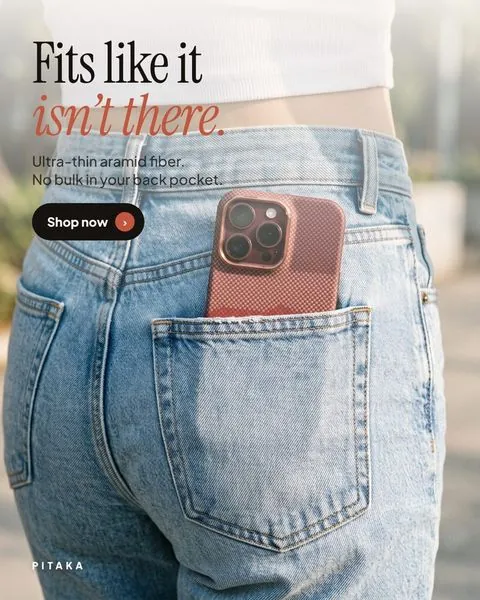

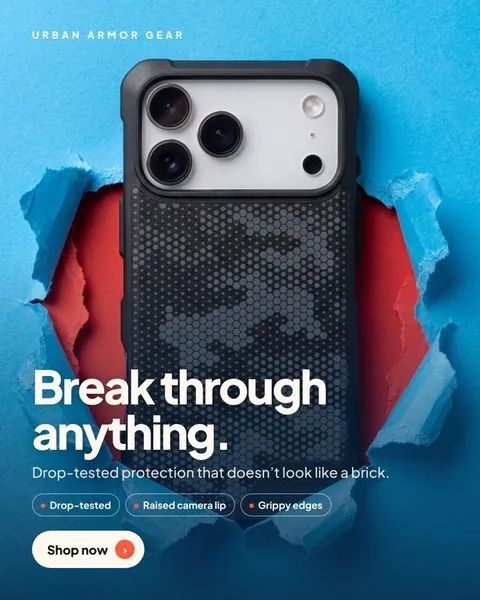
Three of my concept ads, each built on a different hook from this list.
1Call out the buyer
Name exactly who the ad is for. The right person feels spoken to, and everyone else scrolls past, which is fine. You're not paying to impress them.
- Static
For runners who hate bouncing water bottles.
- Video
If you train before work, this is for you.
2Name the problem
Say the annoying thing out loud, in the buyer's words. When the problem is specific, people feel understood before you've even shown the product.
- Static
Your phone case is doubling the size of your phone.
- Video
Why does every "protective" case feel like a brick?
3Lead with the main benefit
Skip the build-up and say the best thing first, as a feeling, not a feature. Then let the image or the next line prove it.
- Static
Fits like it isn't there.
- Video
This is the thinnest case I've put on a phone.
(only if your presenter has actually used it)
4Old way vs new way
Show the frustrating way people do it now next to your way. A split image or a quick cut makes the difference obvious without any copy.
- Static
Bulky case vs this one.
(side-by-side photo) - Video
Here's what my desk looked like before, and after.
5Say the unpopular opinion
Disagree with something your buyer has been told. It works because it creates a small argument in their head that they want to settle.
- Static
You don't need a 10-step skincare routine.
- Video
Unpopular opinion: expensive running shoes won't fix your knees.
6Be specific
Numbers, times and exact details feel more believable than adjectives. "Fast" is a claim. "Ready in 4 minutes" is a picture. Only use numbers you can stand behind.
- Static
Built for the 5am run.
- Video
3 things this bag fits that yours doesn't.
7Open a curiosity gap
Hint at something useful without giving it away in the first line, so the rest of the ad becomes the answer. Then actually deliver it, or the trust you spent is gone.
- Static
The one thing your water bottle is missing.
- Video
Nobody tells you this before you buy a backpack.
8Lead with real proof
A real review, rating or result can be the hook itself. Quote it word for word and keep the source. Invented reviews, ratings or "customers" break the FTC's rule on fake reviews and testimonials, so this hook only works when the proof is real.
- Static
I forgot it was on my phone.
(a real review, credited) - VideoA real customer quote on screen, then the product.
9Tie it to a moment
Connect the product to something happening right now: a season, a holiday, a routine. With the holidays coming, this is the easiest hook to test this month.
- Static
The gift they'll actually use.
- Video
If you still haven't got your dad a gift, look at this.
10Answer the objection first
Every buyer has one reason not to buy: price, fit, "will it work for me". Put the answer in the hook and you remove the reason to scroll past.
- Static
Wrong size? Free exchanges, no questions.
(if that's your policy) - Video
Worried it won't fit your phone? Watch this.
A simple way to write hooks fast
Before writing anything, answer three questions about your buyer: who are they, what annoys them, and what do they want instead? Then run each answer through the list above. Two minutes per hook type gives you 20 or more options, and you only need the best three to five.
Write hooks the way your buyer talks. Product reviews, comments on your ads and support emails are full of the exact words to use.
How to test hooks on Meta
- Keep everything else the same. Same image or video body, same copy below, same offer. Only the hook changes, so the result means something.
- Run three to five hooks at once. Fewer and you're guessing. More and each one gets too little budget to judge.
- Read the right number. For video, compare how many impressions turn into 3-second views. For statics, compare click-through rate.
- Confirm on sales. A hook that stops people but doesn't sell is entertainment. Check cost per purchase before you call a winner.
- Make more of the winner. Write new versions of the winning hook type and keep testing. Even winners wear out, more on that in why your Meta ads stop working after a few weeks.
If you're testing video, AI UGC ads make hook testing cheap, because a new opening line doesn't need a new shoot.
Mistakes that kill a good hook
- Leading with the logo. Your brand name isn't a reason to stop, yet. Put it after the hook.
- Being clever instead of clear. If someone needs a second look to understand it, they won't give it one.
- Hiding the hook. On Reels and Stories, text near the top and bottom gets covered by Meta's interface. Keep it in the safe zone, see Meta ad sizes for 2026.
- Overpromising. A hook the product can't back up gets clicks, then refunds and bad comments.
Questions about ad hooks
What is an ad hook?
The first thing someone sees or hears in an ad: the headline on a static ad, or the opening line and first shot of a video. Its job is to make the right person stop scrolling long enough to see the rest.
How many hooks should I test per ad?
Three to five on the same image or video body is a good start. Keep everything else the same so the result tells you which hook worked.
How do I know which hook is winning?
For video, compare how many impressions turn into 3-second views. For statics, compare click-through rate. Then confirm on cost per purchase.
Can I use customer reviews as a hook?
Yes, if the reviews and numbers are real and you can back them up. Invented reviews or ratings break the FTC's rule on fake reviews and testimonials.
The short version
The hook decides whether the rest of your ad gets seen. Pick the hook type that fits your buyer, write three to five versions, test them on the same body and keep making more of whatever wins.
Next: AI UGC ads for DTC brands: cost, when they work, and what to avoid.